📞 (504) 384-0676 📍 1 Galleria Blvd Suite 1900, Metairie, LA 70001⏰ 08:00 A.M. – 05:00 P.M.

Guide To 12 Types Of Roofing Materials And Their Costs


There are a plethora of roofing materials on the market, the old and the new, so it’s a prudent move to make sure you take your time to get the roofing material that best fits your needs in the event that you need a roof replacement. The correct decision is a delicate balance of the look, the durability, the cost, and the compatibility of the structure.
The process of roof replacement is associated with various considerations and one of the most important ones is the realization of the cost. What is the actual cost of replacing a roof? There is no single size fits all answer to this question because the cost might be greatly different in relation to a mixture of factors non the less unique than the roofing materials of your own home.
Three basic principles that lie at the center stage of calculating the cost of a roof replacement include the material that you choose to roof with, the labor cost, and the size and making of your roof. All these factors add up to the ultimate amount and awareness of what will be expected would assist you in budgeting your project successfully roofing materials.
The mean price of roof replacement is 8314, which is only an estimate, and not a fixed indicator. The prices of roof replacement may be seen as a continuum, and it usually falls between about 5 and 11,000 dollars.1 This is due to the flexibility and variability of this type of investment and it goes without saying that one has to choose the type of roofing material based on the particulars of the case.
There are 12 common roofing materials that are on our radar in this all-encompassing blog, which is an informative resource that ought to be added to our list of blogs to read when it is time to replace the roof. Both materials have their own set of advantages and factors to take into account, and with the help of this guide, you will become strong enough to make the correct choice without going wrong or going against your taste and demands.
1. Rolled Roofing

Average cost of rolled roofing: $1.50 to $2.00 per square foot
In the case of low-slope residential building roofs and utilitarian buildings such as sheds and workshops, rolled roofing is a champion in cost-effectiveness. Its functionality, ease of use and affordability make it an option of choice on the part of people who are interested in a convenient roofing option roofing materials.
The rolled roofing material is available in the form of long rolls, which usually occupy a space of approximately 100 square feet and are 3 feet in width. This material is an efficient and useful one made up of mineral-impregnated and asphalt-impregnated layers topped with mineral granules. It might be not as fancy as with the other roofing coverage options, but it is very well adapted to be used in those situations when the looks are not important.
The cost of rolled roofing is also a characteristic feature where the average price per square foot is between 1.5 and 2 dollars. This affordability feature makes it an attractive option to budget conscious home owners and projects where functional coverage is the major factor.
Although rolled roofing may not be the eye-catcher as far as aesthetics is concerned, its functionality speaks volumes. It is a good choice in a workshop or sheds, where looks are not important and it is their protection that counts. It is fast and convenient to apply, and it is possible using the torch-down technique or roofing nails.
It should also be noted that rolled roofing has a tendency of lasting between 5 and 8 years before it requires replacement. It might not last as long as other roofing materials, but at a low cost and due to its easy installation, it is a worthwhile option in case of short-term requirements.
2. Built-Up Roofing (BUR)

Average cost of built-up roofing: $2.50 to $5 per square foot
The Built-Up Roofing (BUR) is presented as one of the best illustrations of the timelessness of the roofing solutions. Having its roots spread across time, BUR has become one of the most stable and ancient options one can make when it comes to flat roofs or low-pitch roofs.
The construction of BUR is the hallmark in which several layers of roofing felts are covered with a layer of hot asphalt. The layers are carefully superimposed producing a two or four layers thick barrier. However, it is the last touch which actually finishes the job: a coating of finely ground stone, carefully embedded in hot tar, tops the structure. Such a mixture produces a roof that does not only seem powerful but it also serves as an impassable barrier to the elements.
Built-Up Roofing has not lost its reputation by the fact that it is incredibly sturdy. A well laid BUR roof is resistant to time, and its life span can be increased up to 20 or 30 years. This outstanding durability has seen BUR become a favorite option when the structural integrity of a building is needed and a long life span.
Although the essence of BUR construction perhaps reminds one of the past construction traditions, its functionality is quite timely in the present. It is still one of the best options when it comes to using it in a low pitch or flat roof where it is required to perform well. BUR is a combination of functionality and resilience which is not deterred by weather and time.
3. Membrane Roofing

Average cost of membrane roofing: $4 to $8 per square foot
Membrane roofing comes out as a modern hero when it comes to flat roofs or roofs with extremely low pitches. This way of roofing has a variety of solutions and each solution created to provide a smooth and efficient covering against the elements.
The elegance of the membrane roofing is its flexibility, where one can find multiple forms of membranes to match certain requirements. Some of these membranes are Neoprene (polychloroprene), EPDM (ethylene propylene diene monomer), PVC (polyvinyl chloride), chlorinated polyethylene sheets, chlorosulfonated polyethylene sheets, and polymer-modified bitumen.
The best of these choices is EPDM commonly referred to as rubber roofing. The synthetic roofing material is similar to the rolled asphalt roofing but the major difference is in the fact that this type of roofing material is installed in bigger sheets. This causes the number of seams to be reduced and therefore the possible areas of water infiltration are minimized.
Durability is placed on the frontline with EPDM. When well installed, an EPDM membrane roof could have a life span of between 20 and 35 or beyond with the right maintenance. This longevity highlights its importance as a roofing material that can be able to withstand time.
4. Asphalt Composite Shingles

Average cost of asphalt composite shingles: $1.50 to $4.50 or more per square foot
Asphalt composite shingles are the best choice of roofing material in the North American region. These three-tab shingles are made of a fiberglass foundation integrated with asphalt and mineral granules or an asphalt coating; known to be a resourceful and dependable choice in a variety of roofing choices in the home.
The combination of asphalt and fiberglass makes the resultant blend an impressive blend of weight and durability. Fiberglass asphalt shingles are lightweight but have great strength, and thus it can be regarded as one that is suitable to perform under the requirements of the different weather conditions. Conversely, organic asphalt shingles are heavier but do not lose their quality, which demonstrates the strength that buyers of homes want.
The usefulness of asphalt composite shingles is also raised to its installation and maintenance easiness.
It is worth mentioning that the life of roofing those that are asphalt composite shingles will depend on a number of factors. The quality of the shingles and the current conditions are the elements that add to this range. As a rule, the life of homeowners is expected to be between 12 and 30 years, and this is a witness to the strength and stability of this roofing option.
5. Standing Seam Metal Roofing

Average cost of standing seam metal roofing: $10 to $16 per square foot
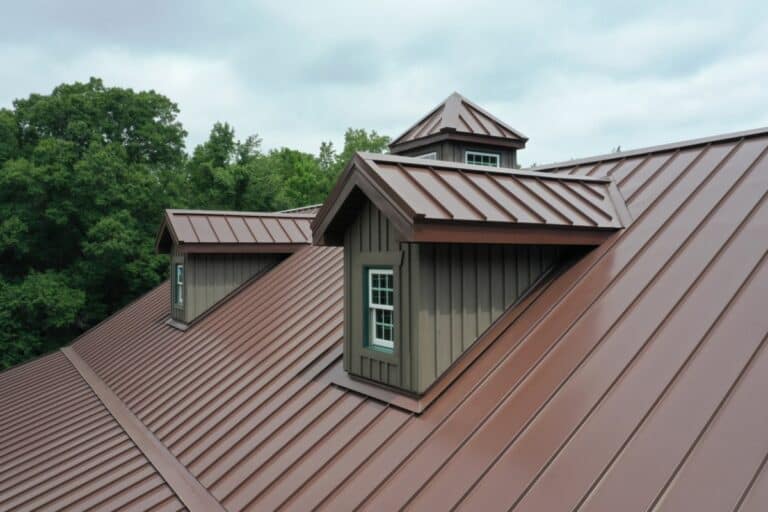
Metal roofs are also known to be a strong competitor against other roofing options that can combine the power, functionality and beauty. The standing seam roof is one of the options in the metal roofing world that has proved to be a common and efficient solution.
Standing seam roofs are named so because of their special design wherein aluminum or steel sheets are met together in elevated seams where they are smartly interlocked to create an aluminum or steel barrier that is very effective in keeping moisture out. This interlocking system does not only increase protection, but also gives the roofline a touch of architectural interest.
The advantage of metal roofing goes beyond the aesthetic quality of the roof, now it is becoming popular even in the regions where there has been a lot of snow or the danger of wild fires. The fact that metal is fireproof, by its very nature, makes it a durable material to use in the premises prone to such risks, which serves as an extra security measure to a house.
Metal roofing has a long life; that is one of the striking features it has. Metal roofs are known to be very durable and the duration may vary between 30 to 50 years and in rare cases even up to 75 years. The element of the material and resistance to the elements such as the ruthless passage of time makes it a wise, and sustainable investment.
6. Metal Shingles/Shakes

Average cost of metal shingles: $8 to $16 or so per square foot
To homeowners who require the best of both worlds, uncompromised aesthetics, and the durability of metal roofing, steel or aluminum shingles and shakes will come as an interesting answer to this question. These types of roofing are a perfect combination of both style and strength; they provide individuals with all the benefits of metal, but they do not look like the classic standing seam roofs.
It is not only that metal shingles and shakes imitate the appearance of the other types of roofing; they also have the features that make metal a very popular building material. These roofing components have a high-quality baked coating or are decorated with mineral granules and are meant to withstand the effects of time and the elements. What has come out is a roof that is surviving test of time and style.
Metal shingles and shakes have a characteristic of longevity. They have the potential to save time in lasting up to 30 to 50 years with good care and maintenance giving the home owner a lasting protection and peace of mind. This great life span is indicative on the importance of investing in roofing materials that accommodate beauty and longevity.
7. Wood Shingles/Shakes

Average cost of wood shingles/shakes: $4.50 to $9 per square foot (shingles); $6.50 to $14 per square foot (shakes)
Wood roofs are one of the challenges to eternal beauty as it inspires one to feel the charm that can hardly be compared to other materials. Wood roofs, however, similar to everything of great attractiveness, are associated with certain considerations. Although they beautify houses in a way that has never been duplicated, they must be thought of carefully in terms of functionality, longevity as well as the environment.
There exists a difference between wood shakes and shingles which are made out of natural wood but different processes are applied to them. Shingles are a slender wedge-shaped slab attained by exact sawing, and shakes are smaller wedges, rough-textured and thicker ones obtained by splitting wood. Such production variation helps to make wood roofing aesthetically appealing with its texture.
Nevertheless, the wood roofs have a fragile mix of benefits and drawbacks. Although they are undoubtedly attractive, they do not last long as long as other roofing materials. Also, they cannot be used in areas that have a high likelihood of high humidity or fire hazards. In a region where there is a lot of rain the life of a wood shingle/ shake roof would be around 20-30 years long, in drier regions the roof life will be astonishing 60 years.
8. Clay Tile
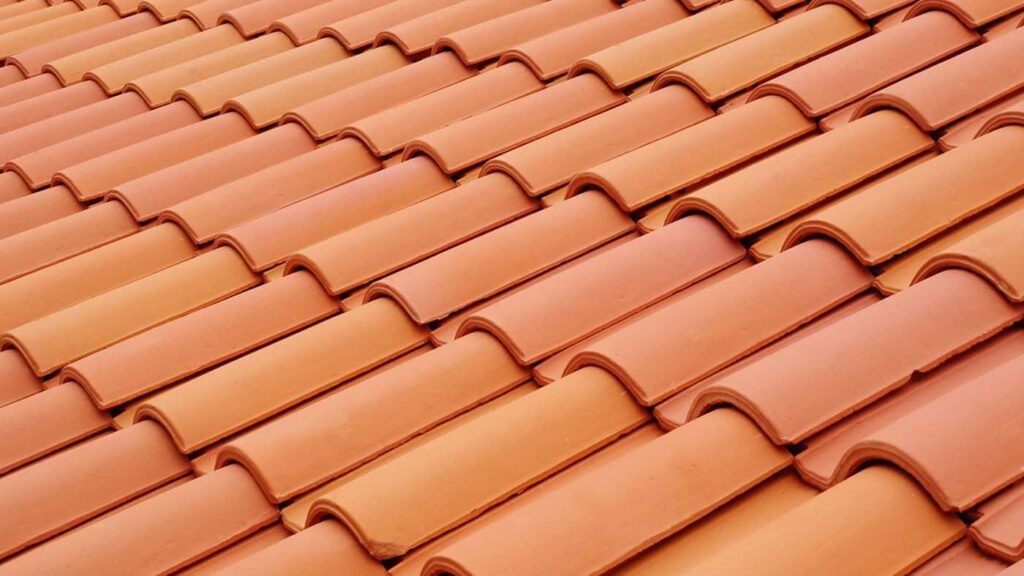
Average cost: Between $10 and $18 per square foot, depending on the tile type and finish. Some specialty ceramic tiles can reach up to $30 per square foot.
Several centuries of admiration have been paid to clay tile roofing not only due to its appearance, but also its longevity. All the tiles are made out of natural clay, and then baked under a high heat, making them very thick, weather-resistant, and colorful. What comes out is a timeless feeling in the roof that puts together craftsmanship and strength in a manner that few contemporary materials can achieve.
In addition to the looks, clay tile roofs are very effective in severe conditions. They do not fade in the bright sunlight, they stand against hurly winds and they do not disintegrate in the presence of salty air thus they are suited in the coast or desert areas. Homes located in warmer environments usually prefer to use clay since it reflects heat hence makes interiors cooler and saves on energy expenses.
The only thing that makes clay tile different is its durability. A well laid roof made of clay has a lifespan of 100 years or longer, which is decades ahead of other roofing materials. It is not only a security investment but also a beauty and heritage one as well since it is a roofing investment that adds both value and image on any home.
9. Concrete Tile

Average cost: Usually between $10 and $30 per square foot, depending on whether you go with hard or soft slate.
The slate roofs are conspicuous. They are classy, they endure and they provide the home with that quiet timeless touch that can never be artificially created. It is not fake stone but pure, real one and that is what makes her so beautiful and so tough at the same time.
Each tile begins with a piece of natural slate which has been hunted out of the earth and broken into very thin sheets at the quarry. There are no two exactly identical pieces of work. Others have slight streaks of colour, some a touch of texture or some irregular edges. That is the beauty of it all, each roof acquires its character.
It is true that slate is more expensive than most roofing materials in the short term, but it recovers it in the long term. With well installed slate roof, it can easily last 75 to 150 years and at times even longer. We have seen houses in which the roof is older than the several generations of the owners. It is the type of investment that leaves you never having to worry about another replacement.
Slate is not just the matter of durability to most home owners. It is all about something authentic a hand-made material with a story, one that will continue to be beautiful even 40 years later.
10. Slate Shingles

Average cost of slate shingles: About $10 to $30 per square foot, depending on whether you choose hard or soft slate.
You can not miss the presence of slate roofs. They are classy, they are intergenerational and they provide a home that old country touch which never truly goes out of fashions. What is different about slate is the fact that it is not something made by people, it is actual stone that comes out of the ground and is shaped into thin and powerful pieces that are able to endure decades of weather.
Each tile is unique in terms of texture and color shade. Others come out smooth and dark, those others have lighter streaks or have a rough edge. The fact that it is natural is one of the things that make slate so attractive – there is no two roofs that are identical.
It is an investment, but it will be a long-term pay-off. An effective slate roofing can be up to 75 up to 150 years, even longer. When it is up, you can hardly have a chance of replacing it again.
Durability is not the only reason why slate is the favorite of many homeowners. It is about character, it is to have a bit of workmanship, as sound and lovely as the home that it guards.
11. Synthetic (Rubber) Slate Tile

Average cost of synthetic (rubber) slate tile: $9 to $12 or so per square foot
The synthetic slate shingles symbolize a perfect case of the home of artistry and modern engineering in the field of roofing innovation. These shingles are made with such great accuracy that they give us a good simulation of natural slate which is heavy and cumbersome. Being a lightweight product, synthetic slate takes the strength of engineered polymers, recycled plastic, and rubber, redefining the aesthetics and functionality of roofing.
Lightweight nature is one of the characteristics of synthetic slate. Although natural slate is known to be very beautiful, it has a heavy burden that cannot be carried by some structures. Synthetic slate shingles would be a solution in such situations because they have an age old look of slate without the burden bearing problems.
Although the stability of artificial slate might not be as high as the slate of real stone, it is a good sacrifice. Artificial slate tiles are usually accompanied by strong warranties that go up to 50 years. This guarantee is an assurance of the manufacturers of the product on the capabilities of the material as well as giving the homeowners an assurance that their investment is secure.
12. Living Roof

Average cost of a living roof: Varies widely
A green or living roof is a surprising but potentially beneficial option in terms of roofing innovation, one that breaks the rules and puts the concept of architecture to life. Although the presence of moss and other living plant materials on a roof can be considered a reason to be concerned, a carefully designed living roof offers a symbiotic association between shelter and nature, which is not limited to the conventional roofing materials.
In its nature, a green roof is a homage to the strength of nature. It is not only a home shelter but also involved in restoring the ecosystem. The design of a living roof contributes to air purification because it helps in eliminating pollutants in the air through the unique design. It reaches out to thermal insulation, which adds to the energy efficiency and comfort in the dwelling. Rainwater does not go to waste since a living roof will absorb this resource and regulate it, which is equivalent to conservation of water.
A living roof needs careful maintenance in order to maintain its vitality. Routine maintenance is the guarantee of the well-being and lifespan of the living ecosystem on top of your house and makes it a thriving nest that resonates with the activity of the natural environment.
Conclusion:
Having analyzed the numerous varieties of roofing materials available it becomes obvious that there is no single best type the only type is the one that suits your house, your budget and your objectives. Every type of material has its combination of style, strength, maintenance requirements, and the correct one will be the one that has the most of what you value most.
Choosing the right roofing material to use in your house is a delicate choice. The budget and architectural tastes as well as the actual needs of your environment are all very crucial in this decision making process. Every roofing material possesses its own range of benefits and restrictions providing a different range of benefits and limitations which fit the needs of various homeowners.
To this group of individuals who want to spend less and at the same time have reliable coverage, asphalt composite shingles should be their consideration as they offer both efficiency and reasonable longevity. Metal roofs on the other hand are durable and long lasting and hence good option to the homeowners who are looking at the roof as a long term investment. Both wood roofs and synthetic slate roofs are a combination of beauty and functionality, both able to meet specific architectural requirements and weight-bearing capacities.